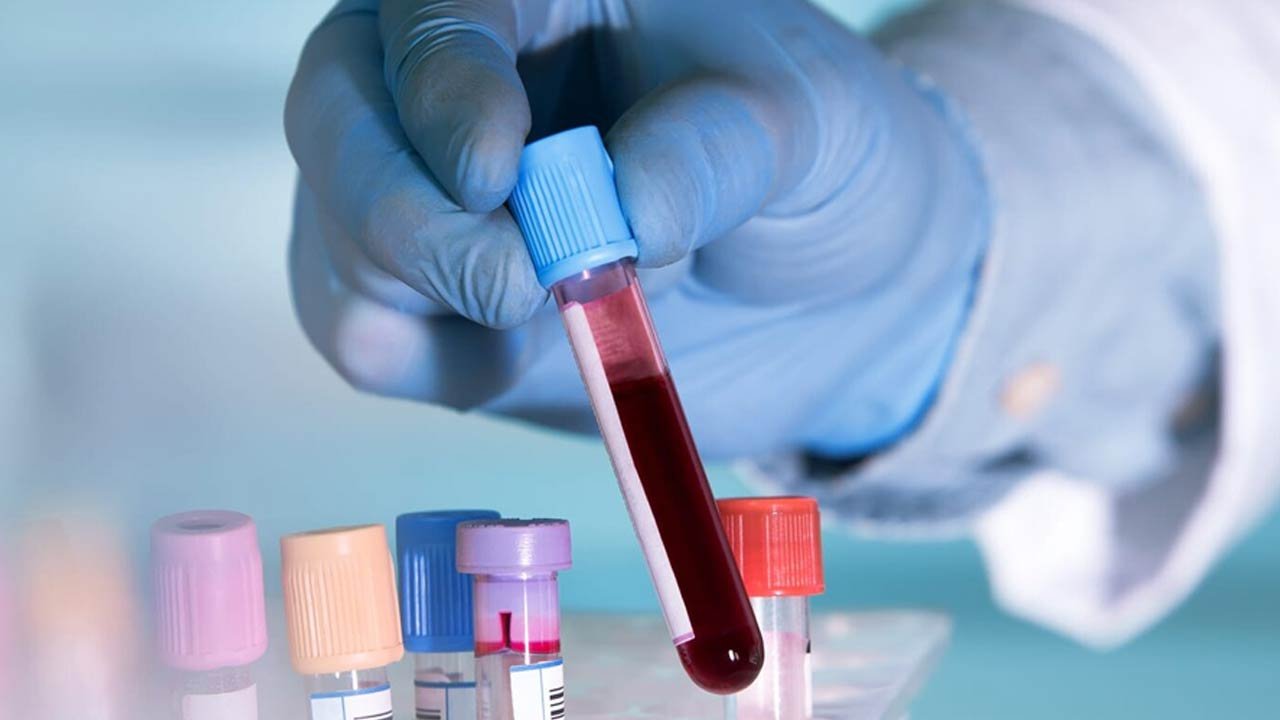
9 types of blood tests have been identified to provide a more detailed understanding of heart disease risk. What are they?
Pumpkin seeds and sunflower seeds—both are sources of protein, fiber, and healthy fats. But when it comes to weight management, which one has the edge?
Which blood tests need to be done? Image: Created with AI assistance.
9 types of blood tests
Breathlessness and chest pain are not necessarily signs of heart trouble. The risk of heart disease frequently arises inside, gradually, as a result of things like elevated blood sugar and fat levels, inflammation, or increased cardiac strain. As a result, a typical cholesterol test by itself cannot give a whole picture of heart health. On social media, cardiologist Sanjay Bhojraj recently talked about nine different blood tests that provide a more thorough picture of heart disease risk.
A person’s age, family history, pre-existing medical disorders, blood pressure, blood sugar levels, and general cardiovascular risk should all be taken into consideration when determining which of these nine tests are necessary.
sunflower seeds or pumpkin seeds
Many seeds have a special position in the routines of people who are concerned about their health. Chia, flax, sesame, sunflower, pumpkin, and other seeds are all very good for your health. Sunflower and pumpkin seeds are great sources of fiber, healthy fats, and protein. But when it comes to controlling weight, who is in charge? And which should you pick to enhance digestion?
Each has unique characteristics of its own. On the other hand, a 30-gram portion of pumpkin seeds has roughly 166 calories, 8.9 grams of protein, 12 grams of fat, 5.61 grams of carbs, and 1.53 grams of fiber. Conversely, the same quantity of sunflower seeds has about 183 calories, 2.16 grams of fiber, 5.6 grams of protein, 14.5 grams of fat, and 7.35 grams of carbs. Essential minerals including zinc, iron, phosphorus, and magnesium are present in both.
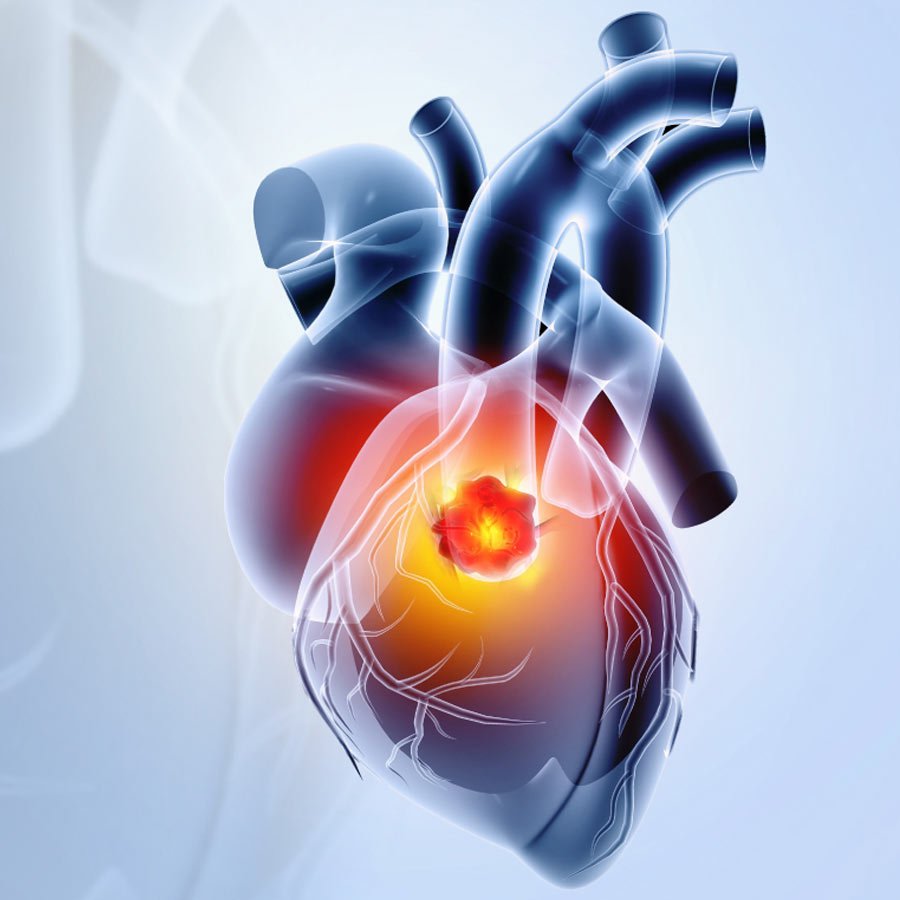
What blood tests are needed to assess heart health? Photo: Collected.
Apobi
The amount of cholesterol-carrying particles in the blood that may contribute to the development of fatty deposits on artery walls is revealed by the ApoB (apolipoprotein B) test. This test can provide more information about the risk of heart disease when combined with a typical LDL cholesterol test.
hs-CRP
The degree of inflammation in the body can be determined by the hs-CRP (high-sensitivity C-reactive protein) test. According to medical professionals, this test finds concealed artery inflammation. An increased risk of heart disease may be associated with elevated blood levels. However, the results of this test must be considered in conjunction with other health information in order to establish the risk of heart disease.
Lipoprotein(a)
There may be a genetic component to the risk of heart disease. When evaluating this kind of risk, lipoprotein (a), or Lp(a), is crucial. Heart disease risk can be raised by elevated levels of Lp(a) in the body. This test is frequently advised by doctors, especially if there is a family history of early heart disease.
Fasting insulin
An understanding of how the body reacts to insulin can be gained by measuring fasting blood insulin levels. In certain situations, this test can be helpful in addition to blood sugar monitoring because problems with insulin function can affect metabolic health.
Hemoglobin A1c
The average blood sugar level during the previous two to three months can be ascertained using hemoglobin A1c (HbA1c). Heart and blood vessel issues can be made more likely by persistently high blood sugar levels. For those who have diabetes, this test is especially crucial.
Omega-3 Index
The amounts of EPA and DHA, two forms of omega-3 fatty acids, in red blood cells are shown by the Omega-3 Index. The long-term omega-3 state of the body is depicted by this test.
Triglyceride-to-HDL ratio
This ratio is used to show how blood levels of HDL cholesterol and triglycerides are related. It can be used as a metabolic health indicator. However, this ratio alone cannot be used to estimate the risk of heart disease; it must be evaluated in conjunction with blood sugar, cholesterol, and other factors.
Vitamin D
According to medical professionals, a higher risk of heart disease is associated with low levels of vitamin D in the body. However, heart disease is not always the result of a vitamin D shortage. Furthermore, there is no proof that taking vitamin D tablets by themselves can stop heart disease. Therefore, one should follow a doctor’s recommendation and take additional action if test results show low levels.
NT-proBNP
An essential marker for assessing whether the heart is under excessive stress is NT-proBNP. The test’s results are examined by doctors, especially when evaluating problems like heart failure. This test can provide signs even before symptoms appear if the heart is strained.
Pumpkin and sunflower seeds sources of protein, fiber, and healthy fats
Calories: The total number of calories is the most important factor to take into account when managing weight. Pumpkin seeds have somewhat fewer calories than sunflower seeds for the same amount. Pumpkin seeds are a better option for people who are especially mindful of their calorie consumption, even though this difference is not substantial and eating either in typical amounts won’t, on its own, result in weight loss.
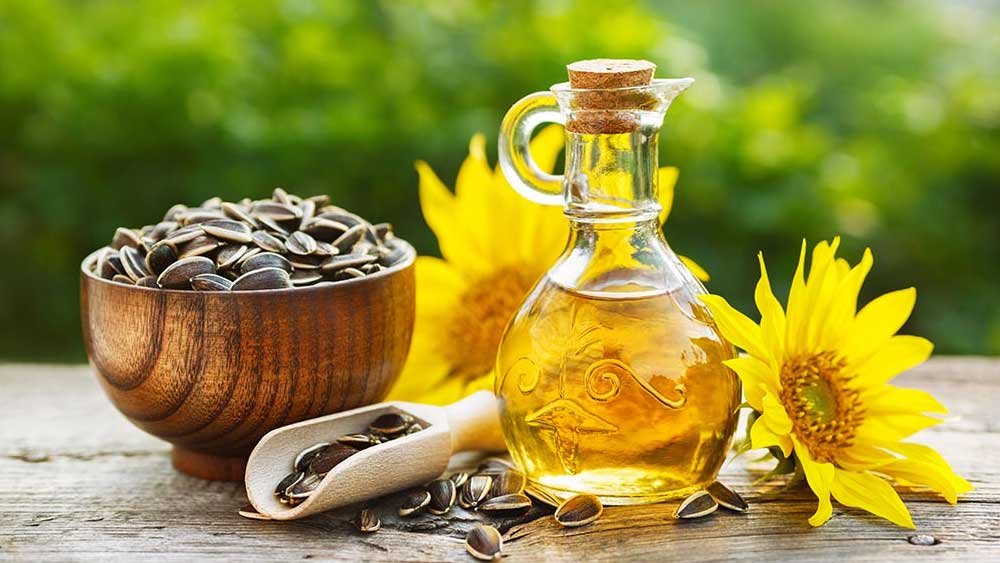
Sunflower seeds. Photo: Collected.
Protein: Maintaining muscle mass is just as vital as reducing body weight when trying to lose weight. Maintaining muscle mass is essential for controlling weight, and getting enough protein helps develop and repair muscle. For those who consume little protein, pumpkin seeds may therefore be a good addition to their diet. They cannot, however, be used in place of eggs, fish, meat, lentils, or other sources of protein.
Fat: The healthy fat content of these seeds is one of its main advantages. The body needs dietary good fats to produce hormones, absorb specific vitamins, produce energy, and keep the heart healthy. Compared to sunflower seeds, pumpkin seeds have a marginally lower total fat content.
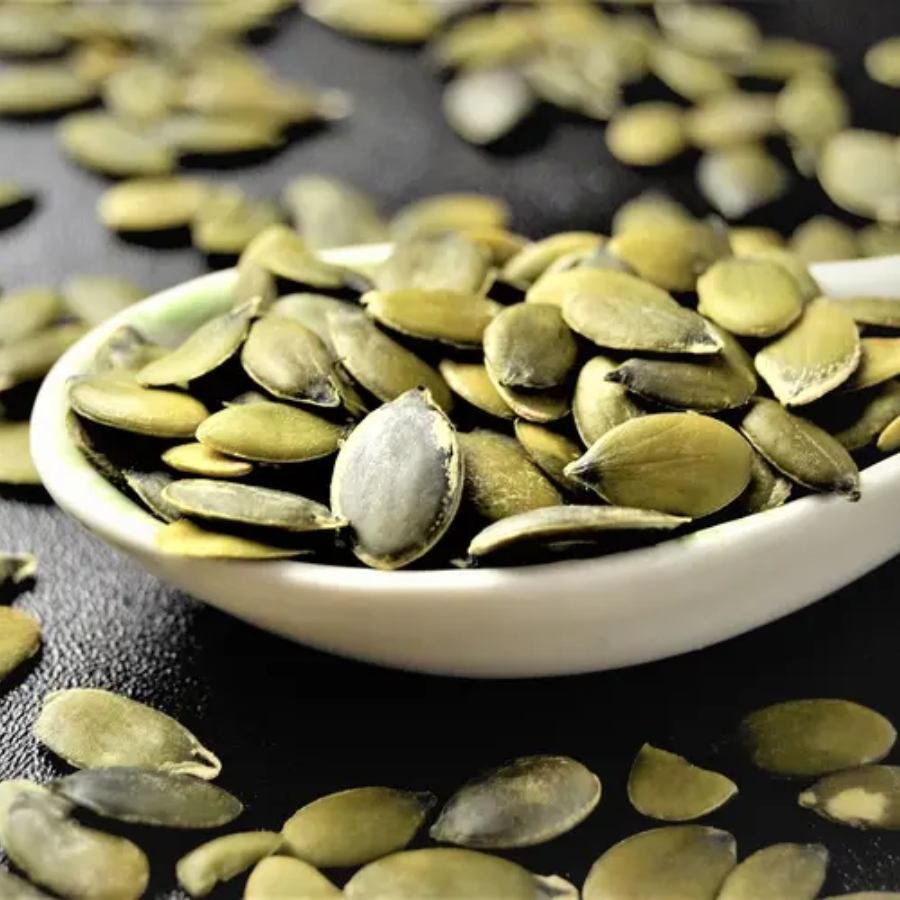
Pumpkin seeds. Photo: Collected.
Fiber: Sunflower seeds have a little bit more fiber than pumpkin seeds. Fiber helps prolong feelings of fullness and slow down digestion. Sufficient dietary fiber plays an important part in weight management plans since it helps regulate blood sugar and cholesterol levels.