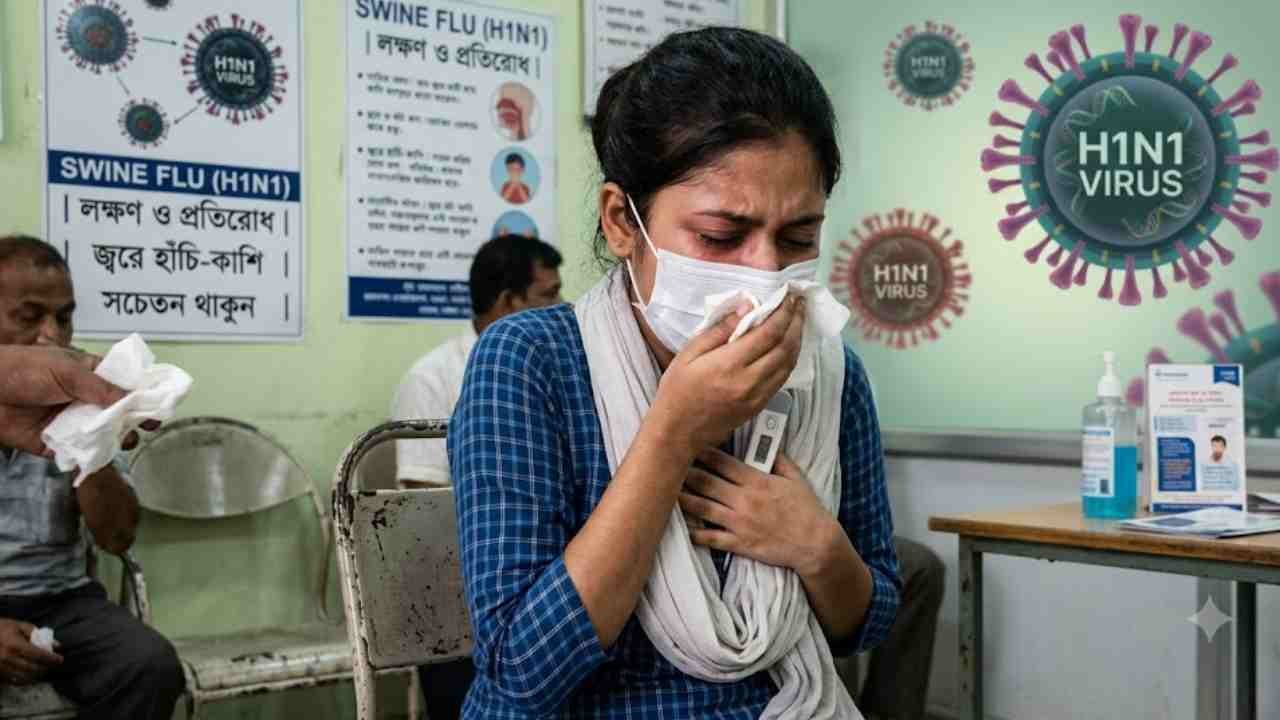
What are the symptoms of swine flu, and who is at higher risk? Image: Created with AI assistance.
How may swine flu be distinguished from a regular viral fever? Fever, chills, exhaustion, and headaches can accompany any illness. As a result, the Union Health Ministry has listed the particular symptoms that aid in diagnosing the illness.
Drought conditions and water scarcity are currently plaguing several regions of the world. Initiatives to improve cooking practices and reduce water waste in South Asian households are therefore being started, much like those in other countries.
New guidelines from the Union Health Ministry
Infections with swine flu have increased nationwide. Bengaluru, Delhi, Kolkata, and Mumbai are among the places where the number of cases is rising. Concern has naturally increased as hospitals are seeing an increasing number of patients with influenza-like symptoms and respiratory difficulties. But according to the Indian Council of Medical Research (ICMR), one of the top medical research organizations in the nation, no new swine flu strain has surfaced, so there’s no reason to fear just yet. However, scientists have cautioned. It is critical to accurately diagnose swine flu because many of its symptoms are similar to those of influenza or viral fever. In this context, new instructions have been released by the Union Ministry of Health.
Among the several influenza virus strains is swine flu (H1N1). The influenza virus can quickly change its properties because it undergoes fast mutation or genetic alteration, unlike other viruses. This explains why various flu strains occasionally have outbreaks. According to the ICMR, the strain that is presently spreading throughout the nation is A/Missouri/11/2025 H1N1pdm09, which was also common the previous year. The Ministry of Health has supplied particular symptoms that are indicative of infection with this strain.
What are the symptoms of swine flu?
abrupt onset of chills and a high fever, followed by joint discomfort throughout the body.
Along with a cold and cough, the fever lasts for a few days.
When the patient’s airways become inflamed, breathing becomes challenging, and in certain situations, respiratory distress may get worse.
A chronic dry cough appears, along with excruciating throat pain and trouble swallowing; throat sores may also develop.
Nasal congestion, persistent runny nose, and exacerbated allergy symptoms are possible.
In many situations, vomiting and diarrhea may accompany severe abdominal pain.
Both persistent headaches and worsening migraines are possible.
Joint discomfort is expected, and muscle pain will be problematic.
Who is most vulnerable?
According to the Ministry of Health, children and the elderly are at higher risk; therefore, they need to exercise greater caution.
Pregnant women are at a higher risk of infection.
Individuals suffering from asthma, diabetes, heart disease, or other chronic illnesses need to take precautions.
Healthcare workers who come into contact with patients must remain extra vigilant.
Individuals with a history of pneumonia or existing lung disease need to be cautious.
What rules will you follow?
After coming back from the outdoors, properly wash your hands with soap; it’s also a good idea to have a hand sanitizer.
When you cough or sneeze, cover your mouth and nose with a handkerchief.
If you are prone to allergies, colds, or coughing, you should wear a mask in crowded areas.
Keep a safe distance from people who have a fever, cough, or cold.
It is recommended to keep a family member in a different room if they get a fever or exhibit swine flu symptoms.
If symptoms emerge, see a doctor before taking any treatment; avoid using antibiotics or antivirals for self-medication.
Talking about washing rice
Washing rice before cooking is a daily ritual for many South Asian families, particularly Bengali families. Many people rinse the rice five, six, or even seven times until the water runs entirely clear. However, is it really necessary to clean the rice with water so frequently? Numerous efforts have been started to increase awareness about water conservation because drought and water scarcity are currently plaguing portions of the world. Initiatives have also targeted South Asian households’ kitchen practices, recommending that they wash rice twice rather than five or seven times.
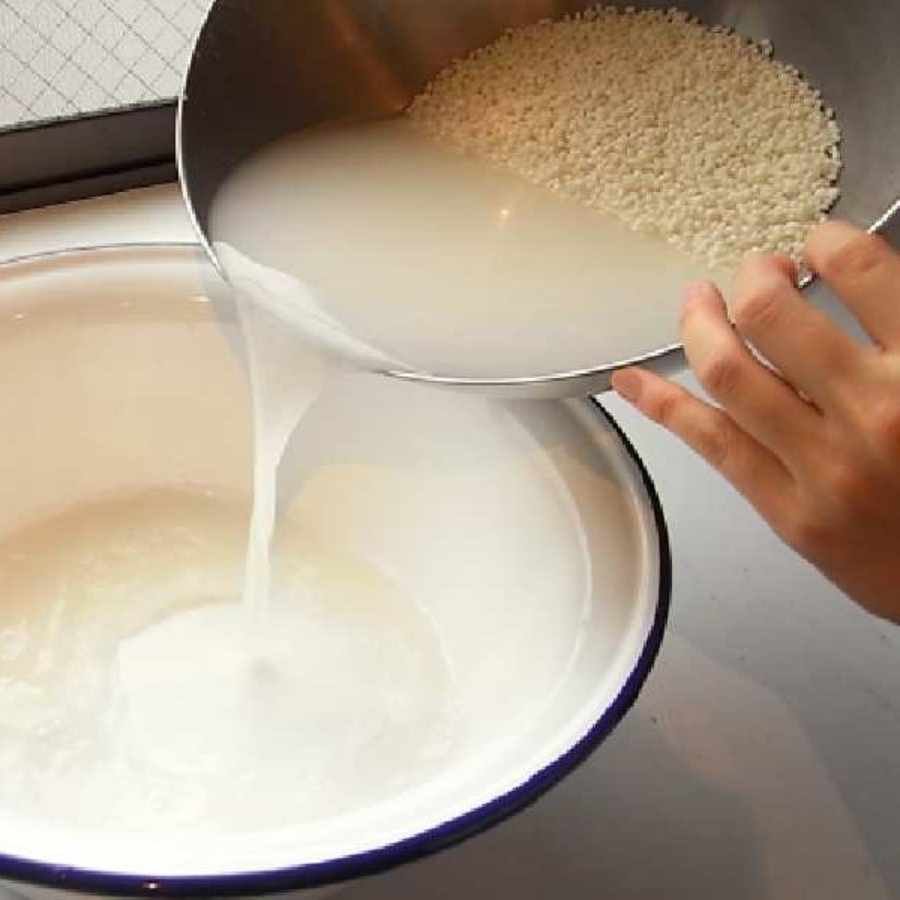
How many times needs rice be cleaned before it is adequate?
Rice is usually thought to be adequately cleaned two or three times. Washing it five or seven times does not guaranty that it is free of contaminants; in fact, too much washing can cause water-soluble nutrients to be lost. In particular, minerals like iron, folate, thiamin, and niacin may seep into the water and disappear.
Moreover, it is false to believe that frequent washing considerably lowers the amount of arsenic in the rice. In certain cases, boiling rice in a lot of water and then draining off the excess can help lower arsenic levels. The cooking process is a key factor in lowering arsenic content. Rice should therefore not be washed more than is required for cleanliness.
It is not necessary to wash rice repeatedly until the water runs totally clear; two or three thorough washes will do. This minimizes the needless loss of water and nutrients while guaranteeing the rice is clean.