Even if you are thin, bad cholesterol levels in your blood can rise—beware!
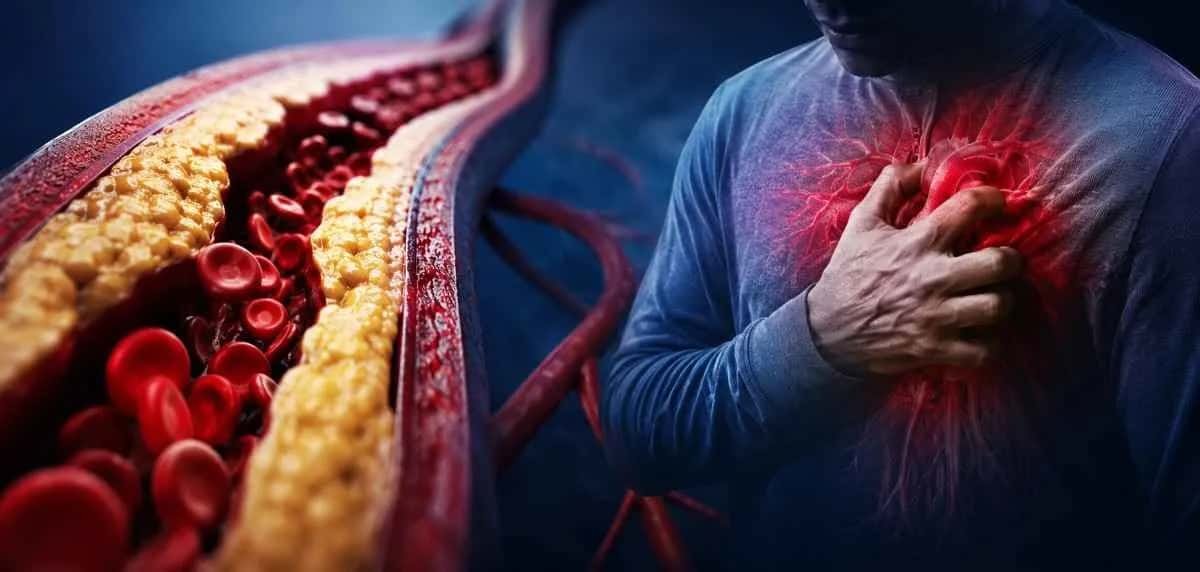
“Dyslipidemia” is the medical word for either a dangerously low level of “good cholesterol” (HDL) or an excessive spike in triglyceride or “bad cholesterol” (LDL) levels in the blood. This illness then turns into a major contributor to heart attacks, strokes, and heart disease.
You don’t have high blood pressure, diabetes, or chest problems, and your weight is well within the normal range. But may a silent killer that could cause a heart attack be silently building up in your blood vessels? The Indian Council of Medical Research (ICMR-INDIAB) recently made an astonishing discovery. Approximately nine out of ten persons in India suffer from “Dyslipidemia,” a disorder marked by unhealthy levels of cholesterol in the blood, according to a countrywide study they conducted.
To put it simply, major abnormalities in blood lipid or fat levels are no longer a problem that only affects a small number of people; rather, they are now a widespread issue that affects households all across the nation and the state.
Table of Contents
What is ‘dyslipidemia’?
According to medical terminology, “dyslipidemia” is a disorder marked by dangerously low levels of “good cholesterol” (HDL) or excessively high amounts of triglycerides, or “bad cholesterol” (LDL), in the blood. This illness then turns into a major contributor to heart attacks, strokes, and heart disease. A study that entailed health screenings of 23,665 Indians and was published in the *Journal of Clinical Lipidology* has produced a number of concerning results that are shocking enough to leave the general public speechless. This illness then turns into a major contributor to heart attacks, strokes, and heart disease.
Important and concerning parts of the study at a glance :
Widespread occurrence of the illness: In India, 87.3% of people have dyslipidemia in one form or another. Approximately nine out of ten people who were evaluated had at least one aberrant blood lipid profile characteristic.
In both rural and urban locations, the situation is almost the same: There was a widespread belief that fast food consumption and urban lifestyles were the main causes of elevated cholesterol levels. However, according to published statistics, 86.5% of Indians living in rural areas and 89% of those living in cities suffer from this illness, which is typified by abnormal lipid levels. This illness then turns into a major contributor to heart attacks, strokes, and heart disease.
Women are surpassing males :
According to surveys, women are more often than men to have this issue; 91.1% of women and 83.5% of males have dyslipidemia. The effects are greatest among women and in Central India.
severe lack of “good cholesterol”: A lack of HDL-C, or “good cholesterol,” is the most prevalent lipid-related problem in the nation. 66.8% of people have low blood levels of this healthy cholesterol. Additionally, a deadly combination of dangerously high triglyceride levels and severely low good cholesterol is present in 22.5% of individuals.
Impact on the 30-something generation: In this country, the concerning consequences are starting to show up as early as the 30-39 age bracket, whereas in Western countries, cholesterol-related issues usually appear later in life. As a result, young people are at a significant risk of developing heart disease at a young age.
So, is it really necessary to test everyone instead of only considering the risks?
The idea that someone is heart-healthy only because they look slender or fit on the exterior is wholly false, as researchers have made abundantly obvious. As a result, rather than restricting it to high-risk patients, experts advise that routine “lipid profile” testing be prioritized for all people of the nation, beginning at a young age. This illness then turns into a major contributor to heart attacks, strokes, and heart disease.
Are even those who are metabolically healthy safe?
The most concerning discovery is that 40% of people have dyslipidemia even if they don’t have diabetes, high blood pressure, or obesity—that is, people who seem healthy and slender. This risk is much higher and the chance of a heart attack is substantial for people who already struggle with diabetes, high blood pressure, or excess weight.
- Detecting silent symptoms: High blood cholesterol frequently shows no symptoms at all. Frequent testing enables timely lifestyle modifications or the start of treatment by identifying the condition before serious heart disease or consequences develop.
- Evaluating the efficacy of treatment: For people who are currently taking medication for high cholesterol, routine blood tests assist in determining whether the drug is functioning as intended or whether the dosage needs to be changed.
- The catalyst for lifestyle modifications : Knowing one’s blood lipid profile clearly encourages impulsive urge to regulate eating patterns, engage in regular exercise, and lead a healthy lifestyle.
- Evaluating overall heart disease risk : Physicians may precisely monitor your general heart health and put proactive preventative measures in place by combining cholesterol levels with variables like blood pressure, smoking habits, and family history.
Make it a habit to have a lipid profile test at least once a year once you are thirty. Don’t be content just because you feel healthy. Make sure your heart health is not seriously threatened by a moment of carelessness. This illness then turns into a major contributor to heart attacks, strokes, and heart disease. This illness then turns into a major contributor to heart attacks, strokes, and heart disease.
Disclaimer: The material in this page should not be interpreted as expert medical advice, diagnosis, or treatment; rather, it is intended purely for educational and awareness purposes. Any medical problem, symptoms, or health-related inquiries should always be discussed with a certified healthcare professional.