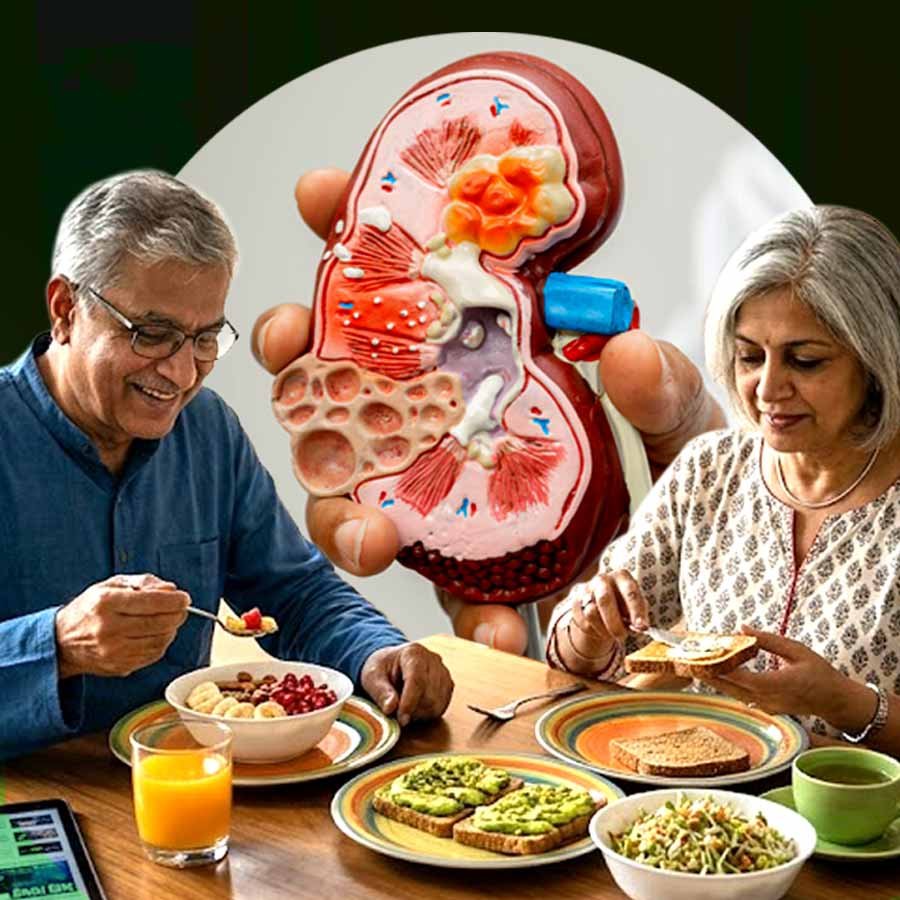
What breakfast foods should you make to maintain the health of a renal disease patient? These are some heart-healthy yoga positions.
When a person is diagnosed with kidney disease, numerous foods must be eliminated from their diet. Foods heavy in sodium, potassium, or phosphorus should be avoided, and salt and sugar intake should be regulated. Problems can also arise from consuming too much protein. Dairy products and several fruits and vegetables are therefore frequently left out. What may a kidney patient eat in light of these limitations? Repeatedly consuming the same meals can get boring. Is it possible to make a tasty and kidney-friendly breakfast?
One of the biggest health problems of our day is heart disease, with many people experiencing heart attacks at a young age. Daily exercise and diet must be the key priorities in order to preserve heart health. Diabetes and high cholesterol are two conditions that are detrimental to heart health and need to be managed. Physicians stress that when it comes to lowering the risk of heart disease, exercise is vital.
Table of Contents
Oats Upma
Vitamins K, C, and B6, together with folic acid, fiber, and antioxidants, are abundant in cauliflower, broccoli, and capsicum. These nutrients fortify the kidneys by fending against damaging free radicals in the body. Consider making a *upma* with oats and veggies for breakfast since oats are a healthy dietary option.
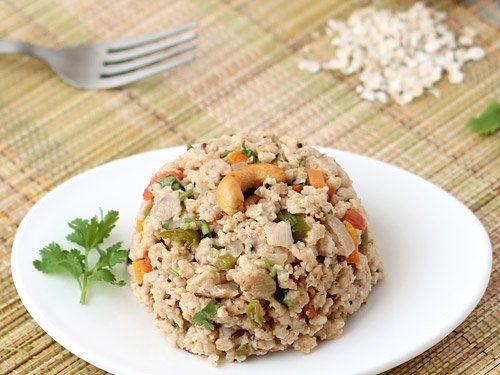
Oats Upma. Photo: Collected.
Steam the cauliflower, broccoli, or carrots after chopping them into small pieces. Place the oats in a pan and dry-roast them. Add dried red chilies and curry leaves to temper a small amount of heated oil in the pan. Add the veggies and cook for a short while. Add the oats, a small amount of water, and salt to taste. Stirring constantly, let the oats cook for two to three minutes. After the water has evaporated, turn off the heat.
Fried Rice
Fried rice, which is high in protein and good fats, is a fantastic choice if you like a substantial breakfast. Just make sure there aren’t too many vegetables that are high in phosphorus, potassium, or sodium in the dish. Finely chop some broccoli, capsicum, and cabbage. In a skillet with heated oil, sauté chopped onions and minced garlic. Stir-fry the veggies with a little salt after adding the thinly sliced vegetables. Add a beaten egg and a pinch of black pepper to the pan. Stir everything together after adding the cooked rice. Small chunks of chicken breast can also be added; if you do, fry the chicken pieces as soon as the oil is heated.

Fried rice. Photo: Collected.
Stuffed Omelette
Although kidney patients shouldn’t eat too much protein, physicians advise including a moderate amount in the diet because cutting it out completely can cause problems. For breakfast, a loaded omelet is a good choice. A tablespoon of oat flour and two eggs should be whisked together. Spread the ingredients uniformly after pouring it into a pan that has been oiled. Add chopped onion, green chile, capsicum, and tomato to the omelet while it’s still setting. Although it’s preferable to limit salt intake, add black pepper for flavor. Fold the omelet in half after the vegetables are just beginning to cook.

Stuffed omelette. Photo: Collected.
Additionally, kidney patients can be given fruits like jamun, berries, and apples to help satisfy their hunger.
Which yoga asanas reduce the risk of sudden heart attacks and keep the body healthy?
Gomukhasana
Place your hands on your lap while sitting straight on the mat. Now raise your left hand from your lower waist to your back, and lower your right hand from behind your neck. Try using your right hand to grip your left hand’s fingers. Interlocking your fingers could be challenging at first, but it will get simpler with consistent practice. Continue breathing normally while silently counting to twenty. Regularly performing this pose strengthens the lungs and enhances heart health.
Dhanurasana
To perform this asana, start by lying face down. Then, bend your knees and bring your feet as close to your back as possible. Reach your hands back and firmly grasp your ankles. Try to bring your feet closer to your head. Keep your abdomen touching the floor and look upwards. Hold this pose for 20–30 seconds while breathing normally. Then, slowly return to the starting position.